

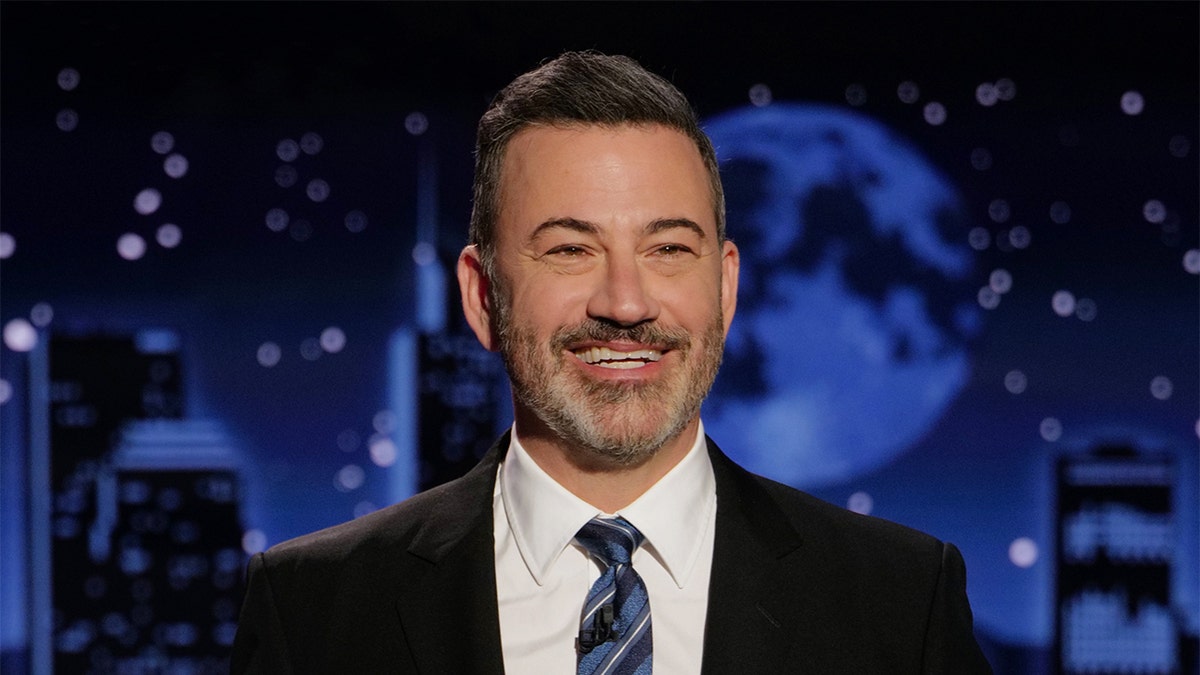
California Gov. Gavin Newsom criticized ABC’s decision to pull Jimmy Kimmel Live! off the air, calling it “corrupt, despicable, & spineless behavior” and accusing Republicans of attempting to control media platforms. Newsom’s press office posted the remark on X Wednesday, followed by a message on his personal account: “Firing commentators. Canceling shows. These aren’t coincidences. It’s coordinated. And it’s dangerous. The GOP does not believe in free speech. They are censoring you in real time.” The remarks arrive as broadcaster decisions in the wake of host Jimmy Kimmel’s comments about the alleged assassin of Turning Point USA founder Charlie Kirk drew sharp partisan reactions and rapid corporate responses.
Disney, ABC’s parent company, confirmed to Fox News Digital that Kimmel’s show would be pulled “indefinitely.” Nexstar Media Group, which owns hundreds of television stations and operates many ABC affiliates, announced in a press release that it would preempt Kimmel’s program starting Wednesday night “for the foreseeable future” and would replace it with other programming in response to his remarks about Kirk’s alleged assassin. Sinclair Broadcast Group followed suit. “Mr. Kimmel’s comments about the death of Mr. Kirk are offensive and insensitive at a critical time in our national political discourse, and we do not believe they reflect the spectrum of opinions, views or values of the local communities in which we are located,” Nexstar’s broadcasting chief, Andrew Alford, said in the press release. On Monday, Kimmel accused conservatives of reaching “new lows” in trying to pin a left-wing ideology on 22-year-old suspect Tyler Robinson, even though prosecutors reaffirmed those ties in Tuesday’s indictment.
The controversy drew a warning from the Federal Communications Commission (FCC) Chairman Brendan Carr, who criticized Kimmel’s remarks as “some of the sickest conduct” and suggested there could be avenues for FCC action if the controversy remained unresolved. Carr spoke on The Benny Show, reinforcing a sense among conservatives that corporate media decisions could reflect political calculations rather than straightforward editorial disputes. In the days that followed, Nexstar and Sinclair completed their preemption moves, and Disney announced Wednesday night that Kimmel’s program was being pulled indefinitely, a step that drew immediate criticism from Republicans and media-watch groups who argued the move amounted to a chilling effect on free speech.
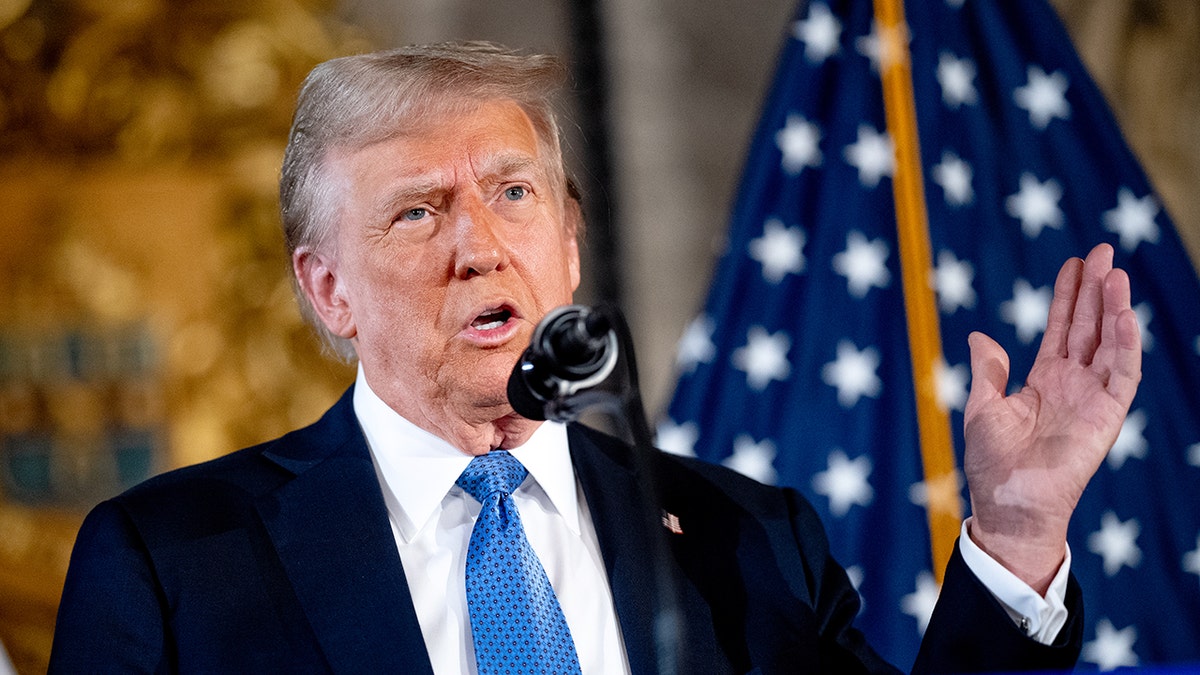
Illinois Gov. J.B. Pritzker joined Newsom in voicing concern, calling the decision an “undemocratic act” that silences the voices President Donald Trump may find unfavorable. “A free and democratic society cannot silence comedians because the President doesn’t like what they say,” Pritzker wrote on X. The former president himself embraced the development, posting on Truth Social that ABC’s suspension of Kimmel was “Great News for America” and adding, “The ratings challenged Jimmy Kimmel Show is CANCELLED. Congratulations to ABC for finally having the courage to do what had to be done. Kimmel has ZERO talent, and worse ratings than even Colbert, if that’s possible.”
The interwoven political and media dynamics reflect a broader debate about free speech, corporate responsibility, and the role of entertainment platforms in political discourse. News outlets across the spectrum have portrayed the development as part of a broader trend in which political leaders and media owners react to provocative commentary in real time, sometimes with tangible consequences for programming. Critics warn of a chilling effect that could deter comedians and commentators from addressing politically sensitive topics, while supporters say the moves are a necessary response to incendiary rhetoric that could inflame public anger during a volatile political moment.
The response from coalitions and lawmakers underscores how quickly a media incident can escalate into a broader political confrontation. Democratic governors and party-aligned officials framed the action as an attack on free expression, while Republican leaders and allies framed the shakedown as accountability for broadcasts that crossed a line in national political discourse. The case has spotlighted the tension between corporate media decisions and the civic expectation that the press and entertainment sectors operate free from political coercion.
Despite the controversy, ABC has not publicly provided a detailed explanation beyond stating the show would be paused indefinitely while it addresses the fallout from the host’s remarks. Fox News Digital reached out to ABC for comment, but a formal statement was not provided in time for publication. The situation continues to unfold as broadcast group executives assess the impact on local affiliates, advertisers, and viewer trust.
The episode sits at the intersection of media policy, executive decision-making, and partisan commentary, with critics arguing that a chain reaction of preemptions and suspensions could set a concerning precedent for how entertainment and political content are treated in times of controversy. It also raises questions about the balance between corporate governance and public accountability, particularly when influential figures within state governments or political parties publicly condemn media choices that affect national audiences.
As policymakers and industry leaders monitor the situation, the broader implications for free expression in a highly consolidated media landscape remain a key talking point ahead of upcoming political cycles. The unfolding events serve as a reminder that media decisions in the modern era can quickly become flashpoints for debates about who controls the narrative, how content is curated, and where the line should be drawn between responsible broadcasting and censorship.